
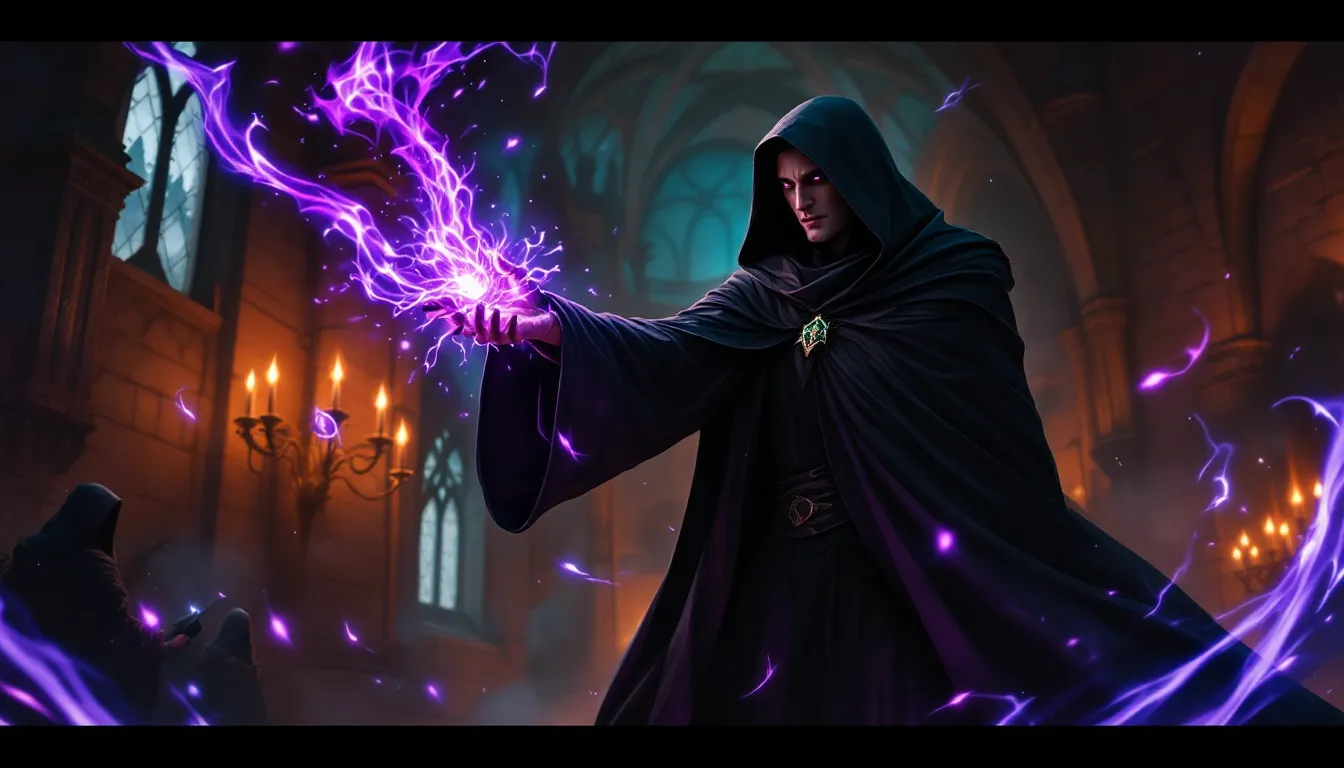
Dark Arts in Hogwarts Legacy are far more than just flashy spells with edgy names, they’re a complete playstyle that fundamentally changes how you approach combat. Whether you’re crushing enemies with Crucio, dominating with Avada Kedavra, or controlling the battlefield with curses, dark magic offers raw power and unique synergies that light magic simply can’t match. If you’re serious about maximizing your character’s potential in 2026, understanding how to unlock, build, and execute dark spells effectively isn’t optional, it’s essential. This guide walks through everything you need to master the Dark Arts, from the fundamentals of how they work to advanced combat strategies that turn you into an unstoppable force.
Table of Contents
ToggleKey Takeaways
- Hogwarts Legacy Dark Arts offer superior offensive power and crowd control through spells like Crucio and Avada Kedavra, requiring synergistic talent builds to maximize their damage-per-second advantage over neutral spells.
- Unlock Dark Arts by following Sebastian Sallow’s questline early in your playthrough, then prioritize leveling core spells (Crucio and Stupefy to rank 3+) before diversifying into advanced abilities.
- Essential talent synergies like Curse Mastery, Dark Empath, and Lingering Curse directly amplify dark spell effectiveness and should be your first 5-10 talent point investments for a functional late-game build.
- Equip gear with Dark Magic Power and Curse Damage stats on both wands and robes—legendary sets with dark magic bonuses provide compound scaling that trivializes encounters with proper spell rotation.
- Combat success relies on crowd-control-into-damage rotations (Stupefy → Crucio → Diffindo → Avada Kedavra finisher) rather than standalone spell spam, demanding cooldown awareness and strategic positioning in group and boss encounters.
- Avoid common mistakes like overreliance on dark spells alone, poor mana management, and tunnel-visioning on instant-kill finishers—maintain 70% dark spell usage with 30% utility coverage and adapt builds to counter specific encounter mechanics.
What Are Dark Arts In Hogwarts Legacy?
Dark Arts in Hogwarts Legacy represent a school of magic distinct from standard spellcasting. These spells inflict more severe consequences on enemies, curses, instant damage, and control effects that punish aggression. Unlike healing spells or protective charm work, dark magic prioritizes offense and crowd control. The game treats Dark Arts as a learnable skill tree with its own progression, talents, and synergies.
What makes dark magic compelling is its unapologetic power curve. Early dark spells hit harder than their neutral counterparts, and that gap widens as you invest in the right talents.
Dark Spells vs. Other Magic Types
Dark spells differ fundamentally in their resource economy and payoff. Standard spells (like Expelliarmus or Stupefy) focus on utility: disarming enemies, stunning them, or setting up follow-up damage. Dark spells cut out the middleman. Crucio deals pure damage-over-time: Avada Kedavra aims for instant elimination. This directness comes with trade-offs, longer cooldowns, higher mana costs, and sometimes restrictions on when you can cast them.
Light spells (healing, restoration magic) keep you alive. Dark spells ensure enemies never get the chance to hurt you. Neutral spells sit in the middle, offering flexibility. When comparing damage-per-second (DPS), dark spells consistently rank higher in sustained encounter damage, but they demand better positioning and cooldown management to avoid leaving you vulnerable.
The learning curve is real: Dark spells often require you to commit fully to their playstyle rather than dipping in casually. You’ll see players bounce off dark magic because they’re not building around it synergistically. Spec properly, though, and you become a threat no enemy can ignore.
How Dark Arts Affect Your Character Progression
Choosing the dark arts path shapes everything about your character build. Every talent point invested in dark magic spells is a point not spent on other trees. This means early decisions have long-term consequences. Players who unlock dark arts late often regret it, not because dark magic isn’t powerful, but because by that point they’ve already committed to conflicting abilities.
Dark Arts unlock via Sebastian Sallow’s questline. How much you embrace dark magic depends on your choices with him. The game’s morality system tracks this indirectly: your choice to learn forbidden spells influences NPC relationships, quest availability, and how other students treat you. It’s not a hard lock on content, but it matters for roleplay and narrative flavor.
Skill-wise, dark magic opens up talent trees that are mutually exclusive from other schools. You can’t stack every talent in the game, you need to commit. The players crushing late-game content with dark builds are the ones who planned this from level 5, not level 30.
Essential Dark Arts Spells You Need To Master
Knowing which dark spells to prioritize separates effective builds from wasted builds. Not every dark spell deserves your attention: some are niche, others are absolute must-haves. Here’s what actually matters.
Offensive Dark Spells And Their Uses
Crucio is the workhorse. It deals damage-over-time (DoT) to a single target, ticks multiple times, and synergizes with talents that boost curse damage. Use it on high-priority targets in group encounters or tankier enemies that need sustained pressure. The spell has a moderate cooldown (around 6-8 seconds depending on your gear), making it spammable in long fights.
Avada Kedavra is the finisher. It deals massive instant damage with a longer cooldown (12-15 seconds) and requires line-of-sight. Save this for low-health enemies or when you need burst damage NOW. It’s your “oh crap” button when the situation demands an instant kill. Overusing it leaves you vulnerable: deploy it surgically.
Diffindo (the Dark Arts variant) slashes enemies for physical dark damage. It’s faster casting and lower cooldown than other offensive spells, letting you weave it into your rotation for consistent DPS between harder-hitting abilities. Think of it as your filler spell.
Stupefy can be twisted toward dark magic builds for crowd control. Immobilize enemies, create breathing room, or set up Avada Kedavra combos. It’s not strictly “dark,” but dark-focused builds should slot it in.
Priority order for early game: Crucio → Stupefy → Avada Kedavra. Get Crucio working first because it builds expertise quickly. Add Stupefy for control. Then unlock Avada Kedavra as your burst option.
Defensive And Control-Based Dark Spells
Dark magic isn’t just about raw damage. Protego is your shield spell, it blocks incoming damage and can be upgraded through talents to reflect damage back or stun attackers. It’s mandatory for survival, dark arts or not.
Incendio (fire curse) deals damage and can ignite enemies, causing DoT. It chains to nearby enemies in some talents, turning it into both offensive and area control. A single Incendio can cascade into group damage with the right setup.
Depulso is a push effect. It knocks enemies back, breaking melee combos and creating distance. When enemies crowd you (which happens often), Depulso buys time for Crucio to work its magic or for you to reposition. It’s underrated in group encounters.
Oculus Reparo doesn’t directly protect you, but stunning or disarming enemies before they attack is the best defense. Always have a go-to crowd control spell, usually Stupefy, but variants like Arresto Momentum (slows enemies) work too.
The dark magic twist: these defensive spells scale better with dark talents. A Protego backed by dark magic reflects more damage. An Incendio spread by curse talents hits harder. Build defensively if you want, but tie your defenses to your dark magic specialization.
Advanced Dark Spell Combinations And Combos
Combo chains are where dark builds separate good players from great ones. The basic combo:
- Open with Stupefy to immobilize enemies (2-3 second stun).
- Cast Crucio immediately while they’re locked down (guaranteed hit, full duration).
- Weave in Diffindo while Crucio’s DoT works (fill the cooldown gap).
- Finish with Avada Kedavra if health is low, or Incendio if you need AoE.
This chain keeps single targets perpetually disabled or damaged. Against multiple enemies, prioritize Incendio → Depulso → Crucio to spread pressure.
Additional synergies unlock with specific talents. Some talents enhance curse effectiveness after stuns: others boost dark spell damage after landing crowd control. These interactions are why gear and talent choices matter so much, a poorly optimized dark build feels clunky, but a refined one flows like butter.
Timing is everything. Crucio into Avada Kedavra works best when Crucio has ticked 2-3 times (roughly 3-4 seconds), because enemies weakened by DoT are closer to the damage threshold Avada Kedavra needs to proc instant kills on some talents.
How To Unlock Dark Arts Abilities
Dark Arts aren’t available from the start. You need to follow a specific path, make deliberate choices, and invest resources. Here’s the roadmap.
Character Paths And Dark Arts Alignment
Dark Arts unlock through Sebastian Sallow’s questline. Sebastian is a Slytherin student who becomes interested in forbidden magic. Early on, he offers to teach you dark spells, but you can refuse. The first spell he teaches is typically Crucio during a quest around mission progress 30-40%.
If you accept his teachings, you’re on the dark path. Subsequent quests with Sebastian offer more dark spells. The key choice point: Sebastian’s later questline culminates in a moral decision. Siding with him fully unlocks the most exclusive dark spells and deepens your dark magic expertise. Refusing him doesn’t lock you out entirely, you can still learn dark spells through other means (certain books, late-game content), but you miss out on his direct teaching and narrative beats.
The morality system tracks choices but doesn’t hard-gate content. A purely “good” character can still learn dark magic: they just won’t have Sebastian teaching them and might miss some quests. This flexibility matters if you’re doing a second playthrough or experimenting.
Once unlocked, dark spells appear in your spell menu. You can equip them to hotkeys just like any other spell.
Leveling Dark Arts Skills Efficiently
Each dark spell has a skill progression tied to casting it. Use Crucio in combat, and your Crucio rank increases. Higher ranks reduce cooldown, increase damage, or unlock talent synergies. Leveling is automatic, just cast the spell repeatedly in real encounters.
Fastest leveling: Use dark spells in every encounter, even low-stakes ones. Grinding weak enemies to rank up might feel tedious, but the payoff is huge, a rank 5 Crucio vastly outperforms rank 1 Crucio.
Factory-style leveling works too: find a weak enemy that regenerates health (some trolls, for instance), cast your spell repeatedly, and let it rebuild between casts. It’s not glamorous, but it works.
Focus on core spells first: Rank up Crucio and Stupefy to at least rank 3 before diversifying. These spells form your rotation backbone. Once they’re solid, level Avada Kedavra and Incendio.
Unlock spells through Sebastian’s quests or by finding spell books hidden in the world. Books are scattered in dungeons and hidden chambers, some require progression to specific areas, others are tucked in optional exploration paths. Check your spell collection regularly: sometimes spells appear after certain quests without you realizing it.
Dark Arts Talents And Skill Trees
Talents are where dark magic truly comes alive. A fully optimized dark build with the right talent synergies will trivialize encounters that wreck poorly-built characters.
Best Dark Arts Talents For Combat
Curse Mastery is foundational. It increases the damage of curse spells (including Crucio, Avada Kedavra, and dot-based abilities). Unlock this early, it’s a flat damage multiplier that pays dividends across your entire dark loadout.
Dark Empath boosts dark spell effectiveness after landing crowd control. Cast Stupefy, then Crucio hits for 40-50% more damage (numbers vary by talent rank). This talent directly rewards the combo chains mentioned earlier.
Unforgivable Curses increases cooldown reduction and damage for your most powerful spells. Some talents in this tree reduce Avada Kedavra cooldown significantly, letting you chain finishers in longer encounters.
Lingering Curse extends the duration of damage-over-time effects. Crucio ticks longer, hitting more times total. This is passive scaling, just cast your DoT spells and watch them work longer.
Dark Determination grants damage reduction (sometimes called “dark ward”) after landing dark spells. Every Crucio cast grants stacking defense bonuses. Combined with Protego, this makes you surprisingly tanky even though the aggressive playstyle.
Spend your first 5-10 talent points here:
- Curse Mastery (tier 1) – 1 point
- Dark Empath (tier 2) – 1 point
- Lingering Curse (tier 2) – 1 point
- Dark Determination (tier 1) – 1 point
- Unforgivable Curses (tier 3) – remaining points based on playstyle
This gives you a functional dark build that scales well into late game.
Talent Synergies And Optimal Builds
Synergy 1: The Damage-Over-Time Build. Stack Lingering Curse, Curse Mastery, and any talents that boost curse potency. Load Crucio and Incendio as your primary damagers. This build excels against tough single targets and works well in extended fights where DoT damage compounds.
Synergy 2: The Control Build. Focus on Dark Empath and crowd-control talents. Pair Stupefy, Depulso, and Arresto Momentum with dark spells. Your job is locking down enemies, and your dark spells hit harder while they’re controlled. Group encounters become manageable when enemies can’t attack.
Synergy 3: The Burst Build. Prioritize Unforgivable Curses and cooldown-reduction talents. Avada Kedavra becomes spammable. You trade sustained damage for reliability, every few seconds, you eliminate a threat. This build demands precision positioning but rewards burst damage output. Bosses with add phases love this approach.
Synergy 4: The Defensive Build. Lean on Dark Determination, protection talents, and spell absorption. You’re not killing fast, but you’re surviving longer. Pair dark damage spells with survivability abilities. This works for newer players or challenge runs where you’re learning encounter patterns.
Choose one synergy and fully commit. Spreading talent points across unrelated trees dilutes your power. A focused build beats a generalist every time.
You can respec talents, so don’t panic if your first attempt doesn’t work. Experiment, find what clicks, then optimize once you know your preferred playstyle. The Hogwarts Legacy Combat Spells guide offers additional details on spell synergies that pair well with talent builds.
Equipment And Gear For Dark Arts Specialists
Your gear matters immensely. The right wand and robes amplify dark magic: the wrong choices nerf you harder than any patch.
Wands And Dark Arts Effectiveness
Wand cores affect spell power. Some wand cores have inherent bonuses to dark magic, others boost curse damage, others favor defensive magic. Phoenix feather cores tend to boost overall spell effectiveness: dragon heartstring cores emphasize raw damage at the cost of defensive scaling.
Top-tier dark magic wands prioritize these stats:
- Dark Magic Power – Direct damage multiplier for dark spells.
- Curse Damage – Boosts curse-type dark spells specifically.
- Spell Cooldown Reduction – Lets you cast more frequently.
- Critical Damage – Increases crit multiplier on spell hits.
Find wands by looting enemy drops, purchasing from Ollivander’s shop (unlocked mid-game), or discovering them in dungeons. Some legendary wands have unique effects, like a wand that reduces Avada Kedavra cooldown by 30% or increases Crucio damage per target in a radius.
Optimal dark arts wand setup: Seek a wand with “Dark Magic Power +15%” and “Curse Damage +10%” as baseline stats. If you find one with additional cooldown reduction, that’s a top-tier piece you’ll use for the rest of your playthrough.
You can upgrade wands at a crafting station. Upgrades improve the base damage value and can unlock additional stat modifiers. Investing in one good wand and upgrading it beats swapping wands constantly.
Clothing And Robes That Enhance Dark Magic
Robes are more than aesthetics, they carry substantial stat bonuses. Dark-themed robes (like Slytherin robes, Death Eater-adjacent outfits, or black professor robes) often come with dark magic bonuses built-in. The Hogwarts Legacy Character Outfits page details which outfits pair best with various playstyles.
Gear priorities for dark builds:
- Dark Magic Power – Stack this stat across robes, chest pieces, and accessories.
- Maximum Spell Power – Boosts all spell damage, dark or otherwise.
- Focus – Increases crit chance (and by extension, burst damage).
- Protego Absorption – Lets your shield hold more damage.
Late-game legendary robes often come with set bonuses. Wearing a full Dark Wizard set (for example) grants +20% dark magic power plus bonus effects like curse spreading or cooldown reduction. Full sets reward specialization.
Practical dark arts outfit setup:
- Primary robes: Slytherin House Robes or Dark Wizard’s Robes (whichever you find first with good dark magic stats).
- Chest piece: High-level plate or leather with dark magic bonuses.
- Accessories: Rings and necklaces with dark magic or crit stats.
- Color/style: Pick whatever looks good to you, stats matter, but if you hate how you look, you’ll have a worse time.
Visit the Hogwarts Legacy Unique Outfits guide for a deeper jump into cosmetic choices that also pack stat bonuses.
Dark Arts Strategies For Combat And Encounters
Understanding your spells and talents is half the battle. Execution is the other half. Here’s how to apply dark magic in real fights.
Solo Play Strategies Using Dark Arts
Solo dark magic demands resource management. You can’t rely on allies to tank or distract enemies. Every spell cast needs purpose.
Against single enemies:
- Approach cautiously. Scout the enemy’s attack patterns first. Does it have a ranged attack? Melee? AoE? Use distance to your advantage.
- Open with crowd control: Cast Stupefy or Arresto Momentum to disable the target. This buys you time and guarantees your next spell hits.
- Layer damage: Immediately follow with Crucio (DoT) or Incendio (burst), depending on enemy health. Let the DoT work while you cast secondary spells.
- Kite and recast: Move away, let Crucio tick, then reapply crowd control before it wears off. Stun → Curse → Move → Repeat.
- Finish decisively: When health drops below 30%, switch to Avada Kedavra for the instant kill. If that’s on cooldown, stack Diffindo casts to burst through the final phase.
This rotation is tight but efficient. You’re always doing damage while enemies are always disabled.
Against multiple enemies:
- Prioritize targets. Identify which enemy is most dangerous (usually ranged casters or heavy hitters). Mark it mentally.
- Spread AoE damage: Use Incendio or Depulso to hit groups. These spells soften the entire group simultaneously.
- Isolate high-priority targets: Use crowd control on the dangerous enemy while hitting others with DoT. Essentially, lock down the biggest threat and burn the rest.
- Create space: Use Depulso to knock enemies away if you’re overwhelmed. Breathing room prevents focus-fire and gives your cooldowns time to reset.
- Prioritize cooldown management: In group fights, you can’t always cast on cooldown. Use active downtime to move between clusters or wait for crowd control to end before recasting.
Solo dark magic builds are incredibly strong if played defensively. You’re not meant to stand still and facetank: you’re meant to control engagement ranges, lock down threats, and burn them methodically.
Boss Battles And Dark Arts Tactics
Bosses have mechanics that punish poor spell choice. They’re tankier, hit harder, and often have invulnerability phases or adds.
General boss framework:
- Identify the boss’s main attack pattern. Does it charge? Telegraph AoE? Summon adds? Watch one full rotation before committing heavily to damage.
- Crowd control before damage phases. When the boss is vulnerable (telegraph is complete, no invulnerability), stun it with Stupefy, then dump Crucio.
- Manage adds aggressively. Bosses that spawn adds require immediate attention to those adds. Use Incendio or Depulso on add waves. Don’t let adds pile up.
- Avoid greedy casts. You’re tempted to finish with Avada Kedavra when the boss is low. Resist if it means eating a major attack. Safety first.
- Use Protego defensively. Many bosses have a “tell” before their big attack. Block it with Protego, then immediately retaliate while they’re recovering.
Example: Dragon Boss (from Hogwarts Legacy Dragon Encounter content). Dragons have ranged breath attacks, melee swipes, and flight phases. Your dark strategy:
- Wait for the dragon to land (melee phase).
- Cast Stupefy immediately (dragons have high stun resistance, so commit multiple casts if needed).
- Layer Crucio while stunned. Get multiple ticks.
- When stun ends, move away and dodge the melee combo.
- Reapply Stupefy and repeat until the breath attack begins.
- During breath, stay out of line-of-sight behind pillars or structures.
- Resume the loop.
This is patient but effective. You’re not bursting the dragon: you’re accumulating damage through consistent crowd control and DoT application.
For more detailed combat mechanics across various encounters, check out the Hogwarts Legacy Combat Gear resource, which covers defensive setups and positioning strategies.
Common Mistakes When Using Dark Arts
Even with the right spells and gear, players sabotage themselves through preventable errors.
Overreliance On Dark Spells And Balance
Mistake: Using dark spells for everything. New dark builds slot every ability into dark magic and wonder why they struggle. Dark spells are powerful, but they don’t cover all situations. You need utilities outside the dark tree.
What you’re missing: Healing (if you’re not using potions efficiently), crowd control variants (Stupefy is dark, but non-dark stuns sometimes synergize better with your gear), and defensive utilities (Protego is mandatory, but sometimes you need Wiarda or other shields for specific damage types).
The fix: Build around dark magic, but don’t exclusively use dark spells. Use 70% dark spells, 30% utility and defensive spells. This balance keeps you flexible and alive.
Mistake: Ignoring non-dark spell chains. Some encounters reward non-dark spells. For instance, if an enemy has a specific weakness to fire damage (unrelated to dark magic), using pure dark magic ignores that weakness. Smart players adapt their hotkeys based on enemy type.
The fix: Keep one non-dark spell slot open. Swap spells between encounters if you’re serious about optimization. Or, find a dark magic build that incorporates elemental effects (like dark Incendio variants) to cover these scenarios.
Mistake: Tunnel-visioning on Avada Kedavra. Some players build entirely around instant-kill finishers. When Avada Kedavra doesn’t trigger (because the boss has high health, or the attack misses), they panic. Avada Kedavra should be a finisher, not your primary damage source.
The fix: Lead with Crucio and Incendio. Let them wear enemies down. Use Avada Kedavra when you see an enemy low. This removes the pressure to land instant kills and makes encounters more forgiving.
Managing Resources And Cooldowns
Mistake: Casting without tracking cooldowns. Dark spells have long cooldowns (especially Avada Kedavra at 12-15 seconds). If you cast without awareness, you’ll spend long stretches unable to act while enemies close the distance.
The fix: Learn your cooldown timings. After casting Avada Kedavra, you have ~10 seconds before the next one is available. During that window, cycle Crucio, Incendio, and Diffindo. Know what you’re casting next, not after you finish the current spell.
Mistake: Running out of mana mid-fight. Dark spells are mana-intensive. Crucio repeated 5 times empties your mana. Once depleted, you’re casting basic attacks or waiting for regen.
The fix: Use mana potions. They’re craftable and abundant. Before a hard fight, stock 3-5 mana potions. Drink them liberally, there’s no penalty for using them. Alternatively, invest in talents that reduce mana costs or improve mana regeneration.
Mistake: Forgetting about cooldown reduction gear. Some wands and robes reduce cooldown by 10-20%. If you’re using generic gear without cooldown stats, you’re running longer cooldowns than you need to.
The fix: Actively seek gear with “Cooldown Reduction” or “Dark Magic Power” stats. Even modest reductions compound over long fights. A 10% cooldown reduction means Avada Kedavra fires every ~11 seconds instead of 12, that’s 8-10 extra casts per minute-long fight.
Mistake: Not respeccing talents when strategies change. You built a Damage-over-Time focused dark build, but later encounters reward burst damage. You refuse to respec because it feels “wasteful.” Now you’re struggling against encounters that counter your build.
The fix: Respec liberally. There’s no penalty. If a boss punishes your current setup, respec talents to counter its mechanics. Adapt and experiment. The gold cost is negligible compared to the frustration of grinding a broken build.
Conclusion
Mastering dark arts in Hogwarts Legacy transforms your character from a competent caster into a force of nature. The raw damage output, crowd control potency, and resource scaling of dark magic make it one of the game’s most rewarding playstyles, if you build and execute properly.
Start with the fundamentals: unlock dark spells through Sebastian’s questline, prioritize Crucio and Avada Kedavra, and invest in synergistic talents like Curse Mastery and Dark Empath. Layer in proper gear (wands with dark magic bonuses, robes that scale curse damage), then execute patient, methodical combat rotations that leverage crowd control into damage.
Don’t fall into the common traps of overreliance on dark spells, poor cooldown management, or refusing to adapt your build to specific encounters. Dark magic is flexible enough to work in any situation, it just demands you think strategically.
If you’re looking for broader combat fundamentals beyond dark spells, check out guides on Hogwarts Spells and general gameplay mechanics. And if you want to round out your knowledge with recent community strategies, resources like GamesRadar+ frequently publish updated Hogwarts Legacy guides and builds.
The dark path is rewarding. Commit to it fully, learn your rotation, and you’ll dominate Hogwarts Legacy’s toughest encounters. Now go forth and master forbidden magic.