
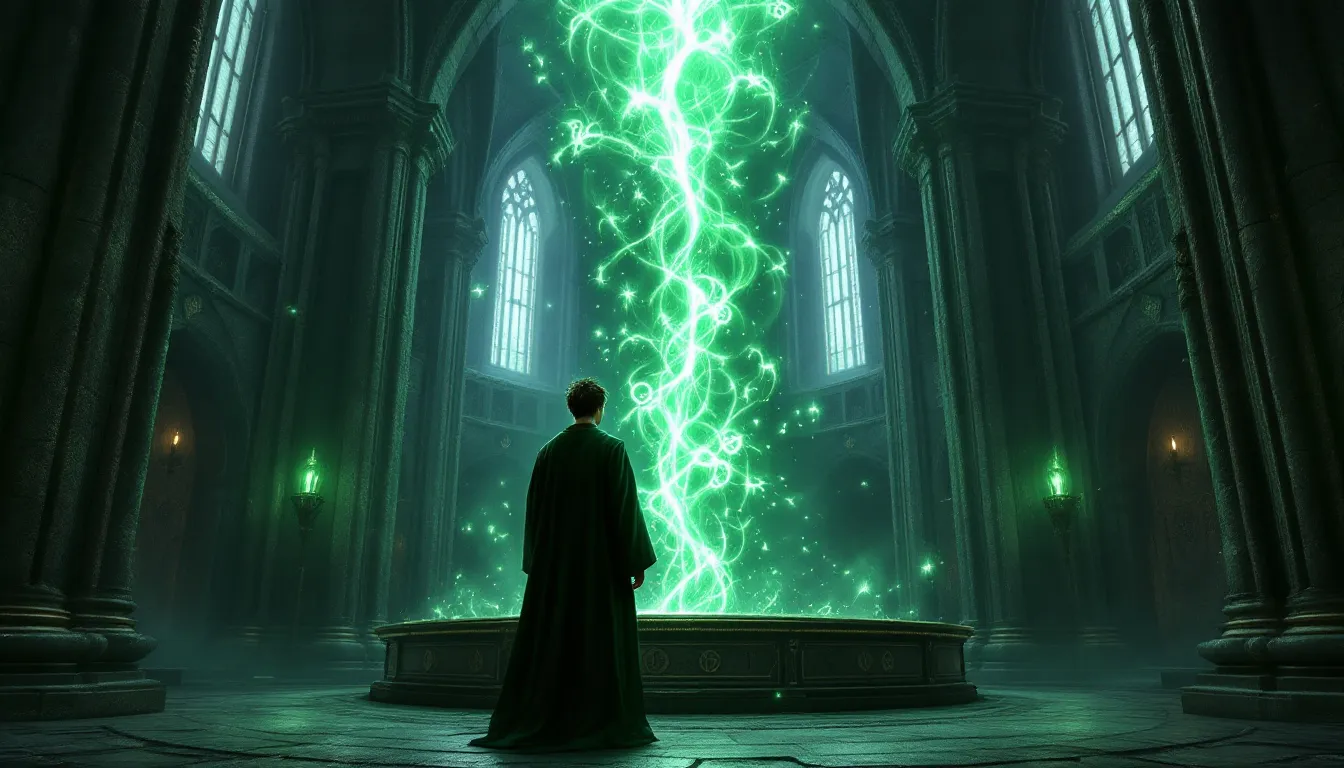
The Undercroft in Hogwarts Legacy isn’t just another hidden room tucked away in the castle, it’s a turning point. This underground chamber represents the first real moral choice most players face, unlocking access to the forbidden side of magic and fundamentally altering how your story unfolds. Whether you’re pursuing dark spells for roleplay purposes, testing whether a morally grey playthrough changes everything, or simply exploring every corner of Hogwarts, understanding the Undercroft is essential. This guide covers everything you need to know about accessing it, what you’ll find inside, and how your choices there ripple through the rest of your adventure.
Table of Contents
ToggleWhat Is the Undercroft in Hogwarts Legacy
The Undercroft is a secret underground chamber located beneath Hogwarts Castle where a select group of students practice dark magic away from faculty oversight. Think of it as Hogwarts’ speakeasy, a place where the rules don’t apply and students can study spells that would get them expelled if discovered.
It’s run by Sebastian Sallow, the ambitious Slytherin student with a complicated relationship to dark magic. The chamber serves as a hub for teaching forbidden curses and other dark arts that the standard curriculum explicitly forbids. More than just a location, the Undercroft functions as a narrative gateway. Joining unlocks Sebastian’s questline and determines whether you get access to spells like Crucio, Avada Kedavra, and Imperio, the three Unforgivable Curses.
What makes the Undercroft significant isn’t the shock value of dark magic itself. It’s that your participation signals alignment with Sebastian’s worldview. Unlike many RPGs that telegraph moral choices with flashing red buttons, Hogwarts Legacy lets you drift toward darkness quietly. You won’t get a warning that learning curse spells will lock you out of other content or brand you as “evil.” That ambiguity is exactly the point. The Undercroft exists in moral grey space, students genuinely believe they’re preparing for a dangerous world by studying powerful defensive magic, even if their methods are controversial.
According to recent playthroughs from game8.co, the Undercroft is accessible to players regardless of house affiliation, which is notable since Sebastian is a Slytherin. Gryffindor, Hufflepuff, and Ravenclaw players can still join, meaning the narrative isn’t gatekeeping based on your starting choice.
How to Unlock the Undercroft
Meeting Sebastian Sallow’s Requirements
Unlocking the Undercroft isn’t a single questline unlock, it’s a relationship meter that builds through specific interactions. Sebastian doesn’t just hand over access: he needs to trust you enough to believe you’re serious about dark magic.
The first mandatory step is completing Sebastian’s early relationship quests. You’ll meet him through the main story, but he won’t even mention the Undercroft until you’ve built sufficient rapport. The relationship tracking system works silently in the background. What matters is that you consistently engage with Sebastian’s character quests and make dialogue choices that align with his perspective, generally leaning toward pragmatism, self-defense, and skepticism of authority.
One of the pivotal moments happens during Sebastian’s relationships quests where you’ll encounter direct prompts to side with him or against established rules. These aren’t obvious “join the dark side” choices: they’re framed as practical decisions. When Sebastian suggests practicing magic that the professors forbid, the game doesn’t tell you it’s morally wrong, it just presents the option.
Progressing Sebastian’s Relationship
Building the relationship requires patience. Sebastian’s questline spans the entire game, beginning in Year 1 and continuing through Year 7. Key relationship boosters include:
- Attending Sebastian’s friendship quests: These pop up automatically as you progress, typically appearing in Year 1-2. Complete them fully rather than abandoning them partway through.
- Choosing dialogue options that validate his worldview: When Sebastian expresses frustration with rules or authority, respond positively rather than lecturing him.
- Engaging with dark magic willingly: Sebastian pays attention to what spells you’re learning. Using dark spells in his presence signals alignment.
- Defending him during conflicts: When other characters (especially Ominis Gaunt, his former friend) criticize Sebastian, standing with him matters.
The relationship has tangible milestones. After reaching a certain threshold, Sebastian will approach you with an invitation to the Undercroft. This typically happens in Year 1, but the exact timing depends on your dialogue choices and quest completion speed.
One critical note: the relationship isn’t linear. If you completely ignore Sebastian for extended periods or repeatedly choose options that reject his philosophy, the relationship stalls. But, it’s difficult to permanently lock yourself out. Sebastian will keep offering chances to join throughout the game, so even a delayed start can eventually lead to Undercroft access.
Undercroft Location and Navigation Guide
Finding the Entrance
The Undercroft entrance is deliberately hidden, requiring players to either know exactly where to look or stumble upon it through exploration. It’s located in the main castle, but the specific room has no signage or obvious markers.
The entrance is situated through a hidden passage. Players access it via the Undercroft’s portrait hole, which functions like the common room entrances. The exact route: head to the lower levels of Hogwarts, specifically the area near the Defense Against the Dark Arts tower. From there, navigate toward the restricted areas. The portrait that conceals the entrance is unobtrusive, it doesn’t stand out in a “secret passage” way: it just looks like another castle painting.
Sebastian will provide directions once the relationship reaches the unlock threshold. If you’re exploring solo, the prompt will appear when you’re standing near the entrance, giving you a hint that something’s hidden here. This design respects player agency, you’re not forced to take an obvious path: you’re invited to discover it.
The password-style entry mechanism is worth noting. Unlike Gryffindor’s “Caput Draconis,” the Undercroft doesn’t use a verbal password that changes. Instead, you’ll confirm access through a magical mechanism once Sebastian has approved you.
Exploring the Layout and Chambers
Once inside, the Undercroft is significantly larger than it initially appears. The main chamber is a cathedral-like underground space with high ceilings and dark stone construction. It’s visually distinct from the castle proper, while Hogwarts is decorated in medieval gothic, the Undercroft leans into a darker aesthetic with minimal lighting and oppressive architecture.
Key areas within the Undercroft include:
- The Main Practice Chamber: Where Sebastian conducts lessons and students practice dark spells. This is the social hub where you’ll encounter Sebastian and Ominis frequently.
- Adjacent Alcoves: Smaller rooms branching off the main chamber, some containing Hogwarts Secret Rooms and lore details that flesh out the Undercroft’s history.
- A Brewing Station: Not for potions, but for managing your dark magic studies and spell selection.
Navigation is straightforward, it’s not a maze, but it rewards thorough exploration. Spend time looking around rather than rushing straight to Sebastian. The environmental storytelling hints at the Undercroft’s long history and reveals why such a place exists in Hogwarts at all.
There are optional collectibles scattered throughout. Particularly observant players will find additional lore entries explaining the Undercroft’s origins and previous student groups who used it. The design philosophy favors organic discovery over quest markers forcing you to every location.
Dark Magic Spells and Abilities Available in the Undercroft
Learning Forbidden Curses
The Undercroft’s primary appeal is access to forbidden magic that’s unavailable through standard questing. These aren’t cosmetic alternatives, they’re mechanically powerful spells that function differently from their light counterparts.
The three Unforgivable Curses are the flagship spells:
- Avada Kedavra: An instant-kill curse with a 25-30% trigger chance at baseline level. It ignores most enemy defenses, making it devastating against high-level enemies. The curse has visible green magical effects and a distinctive casting animation. Note: This spell can miss or fail against certain boss enemies, so it’s not a guaranteed win button in difficult fights.
- Crucio: A sustained damage curse that forces enemies to kneel briefly. It deals damage-over-time rather than instant impact, making it valuable for crowd control. Upgraded versions extend the duration and damage output.
- Imperio: An Unforgivable Curse that temporarily controls an enemy, forcing them to fight on your side. It’s functionally similar to certain charm spells but with a darker visual effect and slightly higher potency.
Beyond the Unforgivables, the Undercroft teaches additional dark magic:
- Dark Bombarda: A more aggressive variant of standard Bombarda that explodes with corruption effects, leaving lingering damage zones.
- Rancorous Curse: A curse that amplifies damage enemies take from all sources for a duration.
- Enhanced Diffindo Variants: Slicing spells with dark corruption effects.
These aren’t cosmetic reskins. Dark spells have distinct stat profiles. They typically deal more raw damage than their neutral counterparts but sometimes sacrifice utility. For example, dark variants often cost more magic points to cast but provide additional crowd control effects.
Spells are learned through direct instruction from Sebastian during Undercroft sessions. You don’t earn them through progression meters, Sebastian simply teaches them. Multiple visits unlock additional spells in a logical progression from basic dark magic to the Unforgivables.
Combat Applications and Strategy
Dark spells function best in specific combat scenarios. They’re not inherently “better” than alternative strategies, but they enable different playstyles.
Avada Kedavra Strategy: Use it against high-value targets in group encounters. Stunning an enemy with Stupefy first increases the curse’s success chance. Against bosses, it rarely triggers, so don’t rely on instant kills. Instead, use it as a finisher when enemies are already damaged. In endgame encounters, the 25-30% proc rate means you might land one kill per difficult fight, valuable but not game-breaking.
Crucio for Control: This curse excels when you’re outnumbered. Casting it forces enemies into a helpless state, temporarily removing them from the fight. Chain it with offensive teammates (if using companion spells) to eliminate threats while they’re incapacitated.
Imperio for Manipulation: When facing challenging enemies, turning them against their allies is devastatingly effective. Imperio is slower to cast than Crucio, making it riskier in active combat, but the payoff is eliminating a threat entirely by making it fight your battles.
Combo potential is significant. Cast Incendio or another damage spell while enemies are under Imperio, effectively doubling your offensive output. Dark spells synergize well with crowd control, combine Bombarda detonations with Crucio paralysis to lock down multiple enemies.
One strategic note: dark spells don’t scale differently than other magic in terms of damage calculation. Your spell power stat, equipped gear, and talent perks affect dark spells the same way they affect defensive magic. The advantage is pure mechanical utility rather than hidden stat bonuses. According to twinfinite.net, endgame-optimized builds incorporating dark spells often prioritize spell power and cooldown reduction to maximize curse frequency.
Secrets, Hidden Collectibles, and Easter Eggs
Treasure and Loot Locations
The Undercroft contains several collectibles beyond the spells Sebastian teaches. These are optional discoveries that reward thorough exploration.
There are Merlin Trials located in the chamber’s deeper sections. These mini-challenges test your magic proficiency by presenting specific puzzle conditions you must solve using spells and environmental manipulation. Completing them rewards cosmetic items and experience.
Certain hidden passages branch off the main chamber, leading to small alcoves containing:
- Robes and Cosmetic Armor: Exclusive dark-themed clothing unlocked only through Undercroft exploration. These don’t provide stat bonuses but visually signal your character’s dark magic allegiance.
- Ingredient Bundles: Potent ingredients for potion-brewing, including rare specimens found nowhere else in Hogwarts.
- Field Guide Pages: Entries documenting dark creatures and the magical theory behind forbidden curses, expanding the game’s lore database.
There’s a hidden painting in one of the alcoves that animates when you approach. It’s a nod to Hogwarts’ interactive portraits, depicting former students of the Undercroft. Clicking it reveals a brief, darkly humorous quote about the dangers of dark magic.
One particularly valuable collectible is a special dark spell book hidden in a locked trunk. Players must solve a simple logic puzzle or provide the correct answer to a riddle to unlock it. The book grants an additional talent point when consumed, which is genuinely useful for high-difficulty playthroughs.
Lore and Environmental Storytelling
The Undercroft’s narrative extends beyond Sebastian’s personal questline. The environment itself tells stories about Hogwarts’ complicated relationship with dark magic.
Wall carvings depict alchemical symbols and historical records of previous Undercroft groups. Reading these (through in-game lore entries) reveals that the Undercroft has existed for centuries, suggesting that experimenting with dark magic is a persistent part of Hogwarts’ culture, not a recent corruption. This context complicates the moral narrative. You’re not introducing dark magic to Hogwarts: you’re joining a longstanding tradition that even the school tacitly accepts.
One particularly striking environmental detail is a memorial wall listing names of students who died or disappeared. It’s deliberately left vague, but the implication is clear: dark magic is genuinely dangerous, and students have paid the ultimate price. This stands in contrast to Sebastian’s rhetoric about controlled experimentation and self-defense.
The Undercroft contains echoes, magical recordings of past lessons and arguments. Listen to them for context on Sebastian’s family history and the Gaunt legacy. These aren’t required for story completion, but they add significant depth to Sebastian’s motivations and why he’s drawn to dark magic even though its obvious risks.
One easter egg is a reference to the book series: a subtle mention of a character that predates the games, hidden in a journal entry. It’s a small nod to fans familiar with broader Harry Potter lore, confirming that this version of Hogwarts exists in the same world as the books, just in a different era. The developers clearly enjoyed layering in these references for players who explore thoroughly.
Impact on Your Hogwarts Legacy Playthrough
Choice and Consequence Mechanics
Undercroft participation influences your playthrough more significantly than most side activities. Unlike cosmetic choices, joining Sebastian’s chamber directly impacts available character interactions and questline pathways.
The core consequence is Sebastian’s ultimate character arc. His trajectory depends heavily on whether you supported his dark magic pursuits or consistently opposed them. By endgame, this choice determines whether Sebastian remains redeemable or fully embraces his family’s dark legacy. The game doesn’t present this as an obvious branching point: it tracks your relationship trajectory quietly, making the final consequence feel earned rather than arbitrary.
Ominis Gaunt, Sebastian’s former friend, reacts to your Undercroft involvement. If you’re actively participating, Ominis becomes increasingly distant and critical. He’ll eventually confront you about your choices, introducing friction into your relationship with him. This creates genuine tension, you can’t simultaneously be Sebastian’s confident and Ominis’ close friend by late game.
Other students notice your dark magic usage. While they won’t explicitly punish you, dialogue options change. Some characters become more cautious around you: others become more interested. Your standing among peer groups shifts based on your magical alignment. This is particularly noticeable with Hogwarts Legacy characters from different houses who view dark magic through different lenses.
Alignment and Story Branching
Hogwarts Legacy doesn’t use an explicit morality meter, but your dark magic participation functions as a de facto alignment indicator. The game tracks whether you’re a “light”, “neutral”, or “dark” player without broadcasting it, then adjusts narrative moments accordingly.
By year 5 and beyond, Sebastian’s questline diverges significantly based on your relationship. If you’ve consistently supported him, you’ll encounter a specific climactic scene where he offers you something significant. If you’ve opposed him throughout, that scene plays out completely differently. Players who ignored the Undercroft entirely get a third variation focused on his isolation and descent.
The game offers multiple paths to the ending, and your Undercroft involvement doesn’t lock you into a single conclusion. But, certain emotional beats and character dynamics feel earned based on your choices. If you’ve learned dark magic alongside Sebastian, his final moments carry different weight than if you rejected him.
Certain late-game quests become available or unavailable based on your dark magic learning. A questline involving confronting dark magical threats, for instance, assumes specific knowledge. If you’ve studied dark magic, dialogue options reference your personal experience. If you haven’t, you’re approaching the situation as an outsider, which sometimes creates difficulty spikes since you lack magical countermeasures.
One important distinction: participating in the Undercroft doesn’t automatically make you evil in the story’s eyes. The narrative never brands you as fundamentally corrupted. What it does is acknowledge that you’re making morally complicated choices and following a specific ideological path. Your character remains capable of redemption or full commitment based on future choices. The Undercroft is a doorway, not a point of no return. That nuance is what makes it compelling, you’re not locked into a predetermined path, just setting yourself on a particular trajectory.
Conclusion
The Undercroft represents Hogwarts Legacy’s most compelling mechanical and narrative feature: the ability to pursue morally grey choices without artificial punishment or heavy-handed judgment. Accessing it requires relationship management and dialogue understanding rather than combat skill, making it accessible to players of any difficulty level.
Whether you join Sebastian for roleplay authenticity, want access to mechanically powerful spells, or simply believe in exploring every narrative option, the Undercroft rewards thorough engagement. The dark spells are genuinely useful in difficult fights, particularly Avada Kedavra for instant-kill opportunities and Crucio for crowd control. More importantly, the chamber’s existence acknowledges that magic isn’t inherently good or evil, it’s a tool with consequences determined by the wielder’s intent.
For players building dark-aligned characters, the Undercroft is essential. For players pursuing light magic exclusively, it remains worth visiting once just to understand Sebastian’s perspective and the game’s worldbuilding. The game respects both choices equally, which is rare in RPGs that often judge players for exploring darker options.
Take your time with Sebastian’s questline, pay attention to the environmental storytelling hidden throughout the chamber, and make dialogue choices that feel authentic to your character. The payoff, whether mechanical power or narrative depth, justifies the investment in one of Hogwarts Legacy’s most distinctive locations. IGN’s coverage of the game details additional character questlines that interconnect with Sebastian’s arc, offering more context for understanding how your Undercroft choices reverberate throughout your entire adventure. The key is engaging thoughtfully rather than stumbling through blindly.