Navigating the world of sports can be thrilling, but for many players, one unexpected hurdle stands in the way: visa issues. Picture this: a talented athlete poised to shine on the international stage, only to be thwarted by bureaucratic red tape. It’s like training for the Olympics and then realizing you forgot your running shoes.
Visa complications can turn a promising career into a frustrating game of “Will they or won’t they?” From paperwork nightmares to last-minute denials, these challenges can leave players feeling like they’re stuck on the bench. But fear not! Understanding the ins and outs of visa regulations can empower athletes to tackle these obstacles head-on, ensuring they get the chance to showcase their skills where it counts. Let’s dive into the world of visa issues and discover how to keep the game moving forward.
Overview of Visa Issues for Players
Players encounter numerous visa issues that can obstruct their participation in international competitions. Complications arise from different countries’ regulations and procedures, which vary widely and can be confusing. Delays in processing applications often lead to missed opportunities during key events and tournaments.
Athletes must understand essential visa categories such as work visas and athlete-specific visas that can facilitate their travel. Some visas require sponsorship from a team or organization, adding another layer of complexity. Gathering the necessary documentation, including proof of athletic status and invitations to participate, becomes crucial.
Applications can take weeks or even months to process, creating pressure on players to plan ahead. Players face additional challenges if they have criminal records or previous immigration violations. These factors can lead to denials or prolonged scrutiny from immigration authorities.
Players benefit from consulting with immigration attorneys or experts specializing in athlete visas. Assistance from professionals ensures compliance with legal requirements and helps minimize risks. Organizations also play a vital role in supporting players by providing resources and guidance on visa applications.
Understanding different visa options, along with timelines and specific requirements, arms players with the knowledge to navigate the often complex landscape. By staying informed, athletes increase the chances of overcoming visa issues and focusing on their competitive goals instead.
Common Visa Types for Athletes
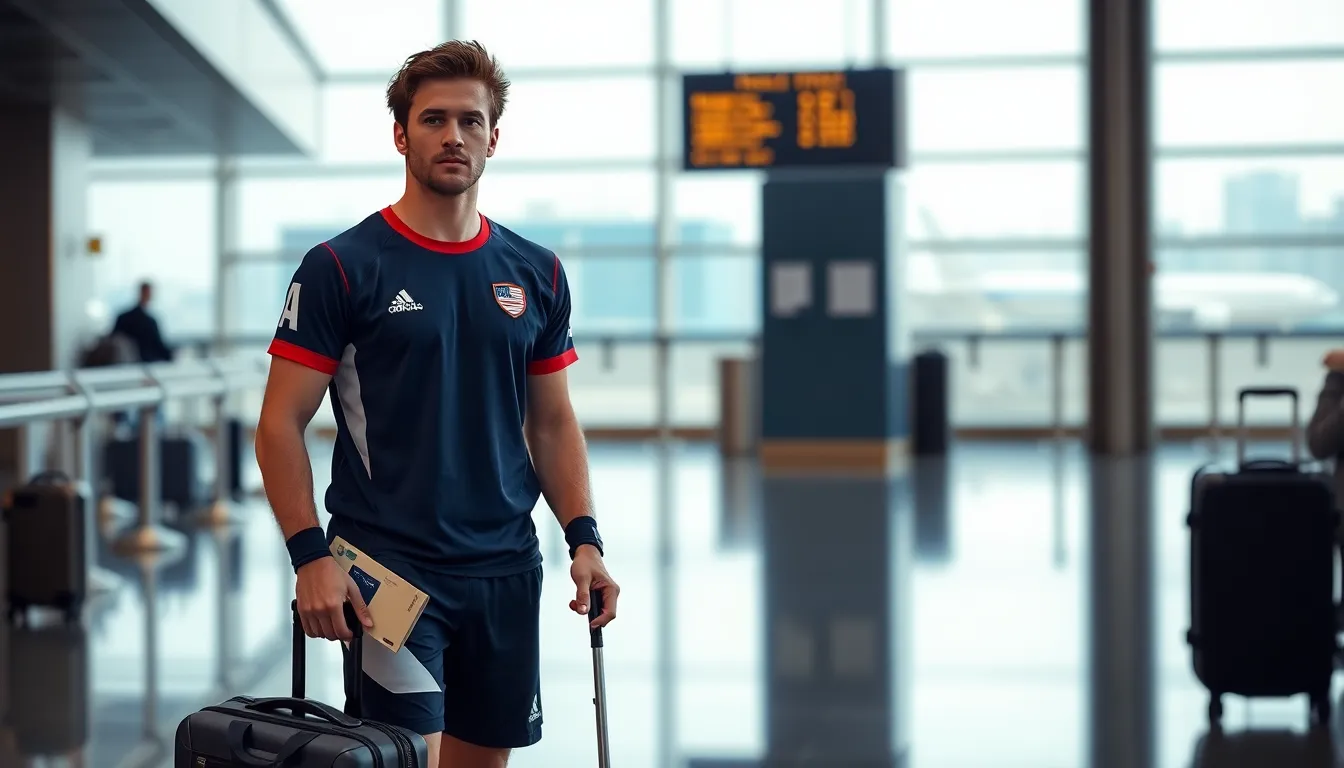
Understanding common visa types helps athletes navigate international competition more effectively. Several visa categories cater specifically to their unique needs.
Work Visas
Work visas allow athletes to compete professionally in foreign countries. Organizations typically sponsor these applications, ensuring legal compliance. Processes vary by country, with some requiring extensive documentation like contracts and proof of athletic status. Applications can face delays, affecting participation in key events. Athletes must prepare for these complexities by gathering all necessary details well in advance.
Student Visas
Student visas offer opportunities for athletes pursuing education while training. These visas support enrollment in academic institutions and can facilitate part-time competitive participation. Requirements often include proof of admission and financial resources. Maintaining student status remains crucial, as violations can affect visa validity. Athletes benefit from understanding the balance between academics and sports, promoting both career advancement and athletic growth.
Challenges Faced by Players
Players encounter significant hurdles regarding visa applications that can derail their careers. First, the application process often varies by country, introducing complexities that can confuse even experienced athletes.
Application Process
Experts recommend starting the application process well in advance. Processing timelines differ based on visa categories, with some taking several weeks or months. Consultations with immigration specialists can streamline procedures. Players need to secure sponsorship from a team or organization, which adds another layer of complexity. If players do not gather the required information early, they risk missing important competitions.
Documentation Requirements
Gathering documentation represents a key part of the visa process. Essential documents include proof of athletic status, sponsorship letters, and identification records. Athletes might also need to demonstrate financial stability or health insurance coverage. Organizational support can simplify the acquisition of these materials. Any missing or incorrect documents can lead to delays or denials, underscoring the importance of meticulous preparation. Criminal records or prior immigration issues exacerbate these challenges, necessitating further documentation for scrutiny.
Case Studies
Visa issues present significant challenges for athletes, but many have navigated these obstacles with success.
Success Stories
Some athletes have successfully acquired athlete-specific visas, enabling them to compete internationally. These accomplishments stem from thorough preparation, ensuring all required documentation is in order. An example includes a professional soccer player who expeditiously secured sponsorship from their team, leading to swift visa approval. Having a dedicated support team helps streamline applications, expediting the process for many. Another instance includes a track and field athlete who maintained open communication with immigration officials, resulting in prompt clarification of their application status.
Difficulties Encountered
Players frequently face complex hurdles during visa applications, which can delay or hinder their participation in competitions. A common issue involves insufficient or incorrect documentation, leading to rejections or requests for additional information. Athletes often experience confusion regarding differing regulations among countries, further complicating applications. In certain cases, past immigration violations have resulted in extensive scrutiny, impacting future opportunities. Procrastination in the application process can also be detrimental, causing critical deadlines to be missed during high-stakes events. Staying informed and organized significantly influences success rates for players tackling these visa challenges.
Solutions and Best Practices
Players facing visa issues can adopt various strategies to navigate the complexities of visa applications. Starting early is critical; application timelines can vary significantly based on visa type and country. Securing sponsorship from a team or organization stands as a crucial step in the process, as many visa categories require it. Document preparation cannot be overlooked; gathering proof of athletic status, sponsorship letters, and identification records is essential.
Prioritizing accurate documentation is key, as any missing or incorrect items can lead to delays or denials. Engaging with organizational support can simplify this process significantly, making it easier for athletes to compile necessary materials. Consulting with immigration attorneys or experts specializing in athlete visas offers valuable insights into compliance and reduces risks in the application process.
Understanding different visa categories—such as athlete-specific and work visas—enables athletes to make informed decisions. Athlete-specific visas often facilitate quicker approval when extensive preparations are followed, while work visas typically involve more stringent requirements. It’s important to recognize that processing times can lead to missed opportunities, reinforcing the importance of timely action.
Adhering to regulations from specific countries ensures athletes avoid complications that can arise from non-compliance. Staying informed about changes in immigration laws or requirements further empowers players to navigate their options effectively. Utilizing resources such as online forums or athlete support groups encourages shared experiences and collective knowledge, providing further assistance for tackling visa hurdles.
Visa issues can create significant barriers for athletes striving to compete internationally. The complexities of application processes and varying regulations across countries can lead to missed opportunities and frustration. By understanding essential visa categories and preparing thoroughly, players can navigate these challenges more effectively.
Securing sponsorship and gathering accurate documentation are critical steps in ensuring a smoother application process. Engaging with experts and staying informed about immigration changes can further reduce complications. With careful planning and support, athletes can focus on their performance rather than getting sidelined by visa hurdles.